
The main differences between bonded leather and real leather lie in their composition, quality, and manufacturing processes. Here are the key distinctions between the two:
Composition:
Bonded Leather: Bonded leather is a composite material made by combining shredded leather scraps or fibres with a bonding agent, such as polyurethane or latex. The mixture is then adhered to a backing material, often fabric or paper, to give it structure.
Real Leather: Real leather is derived from animal hides, typically from cows. It consists of the entire thickness of the hide, which has undergone tanning processes to preserve and prepare it for use. Real leather is made up of natural fibres and has a distinctive grain pattern.
Quality:
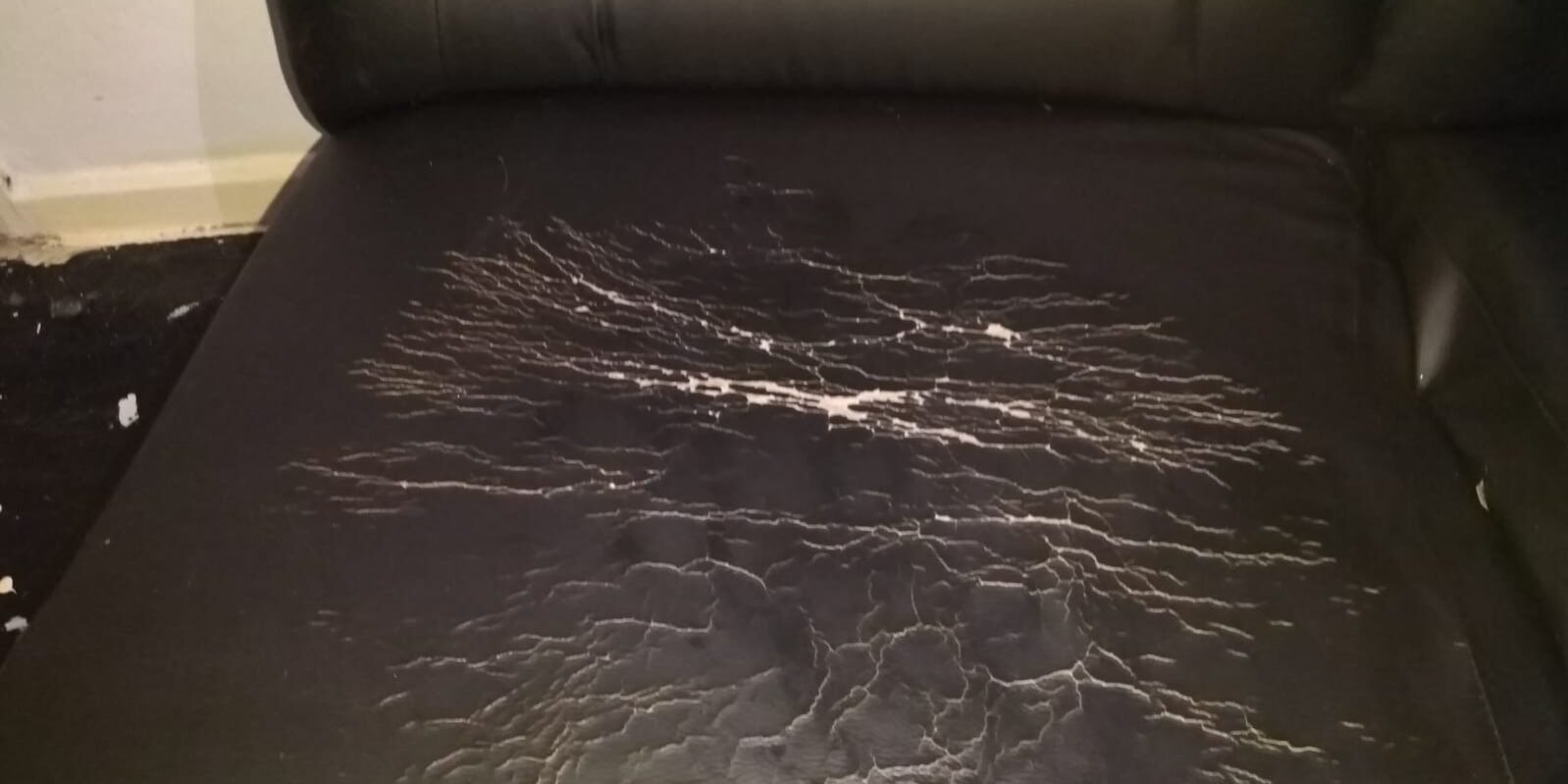
Bonded Leather: Bonded leather is generally considered to be of lower quality compared to real leather. While it contains some leather content, it primarily consists of recycled leather fibres. Bonded leather is less durable and prone to peeling or deteriorating over time.
Real Leather: Real leather is known for its high quality, durability, and longevity. It has inherent strength and flexibility, allowing it to withstand regular use and age gracefully. Real leather develops a unique patina over time, adding to its appeal.
Appearance and Feel:
Bonded Leather: Bonded leather often has a uniform appearance with a leather-like texture embossed on the surface. However, it lacks the natural variations, markings, and unique characteristics found in real leather.
Real Leather: Real leather has a natural grain pattern, which varies depending on the type of leather (full-grain, top-grain, etc.). It has a soft and supple feel, and as it ages, it becomes even more comfortable and develops a distinctive character.
Price:
Bonded Leather: Bonded leather is generally more affordable compared to real leather because it uses recycled leather scraps and other materials.
Real Leather: Real leather is typically more expensive due to its higher quality and natural origin.
It’s important to note that there can be variations in the labelling and marketing of leather products. Some products labelled as “bonded leather” may be marketed in a way that makes them appear more genuine or of higher quality than they actually are. To ensure the quality of your leather item, it’s advisable to carefully read product descriptions, look for indications of genuine leather such as “full-grain” or “top-grain,” and purchase from reputable sources.
Can Bonded Leather be Repaired?
Repairing bonded leather can be challenging due to its composition and construction. Bonded leather consists of a layer of shredded leather fibres or scraps that are bonded together with a binding agent and then attached to a backing material. Unlike natural leather, which can be stitched or patched, bonded leather is not as amenable to traditional repair methods.
That being said, small cosmetic repairs to bonded leather can sometimes be attempted. There are a number of options here below:
Adhesive repair: If there is a small tear or separation in the bonded leather, you can try applying a suitable adhesive specifically designed for bonded leather repairs. Apply a small amount of adhesive to the affected area and press the edges together firmly. Let the glue dry before proceeding.
Leather filler: For minor cracks or gaps in the bonded leather, you may be able to fill them using a leather filler product. Apply the filler to the damaged area, smooth it out, and allow it to dry. Keep in mind that this method may not provide a seamless repair, and the repaired area may still be visible.
Touch-up markers or paints: If the bonded leather has experienced colour loss or minor scratches, you can use leather touch-up markers or paints specifically made for leather to restore the colour. Apply the product to the affected area and blend it in according to the instructions provided.
It’s important to note that these repair attempts on bonded leather may not be as durable or long-lasting as repairs on natural leather. Additionally, the success of the repair largely depends on the quality and condition of the bonded leather itself. If the damage is significant or extensive, it’s generally best to consult a professional leather repair service or consider replacing the item if it’s more cost-effective.
Here at Mobile Leather Repairs, we are experienced in all aspects of the leather repair industry and can advise you on the best way forward. Please contact us for more information or to book an appointment with us.
